
Owning & Renting
Turning a California House into a Rental Without Tripping a Short-Term Ban
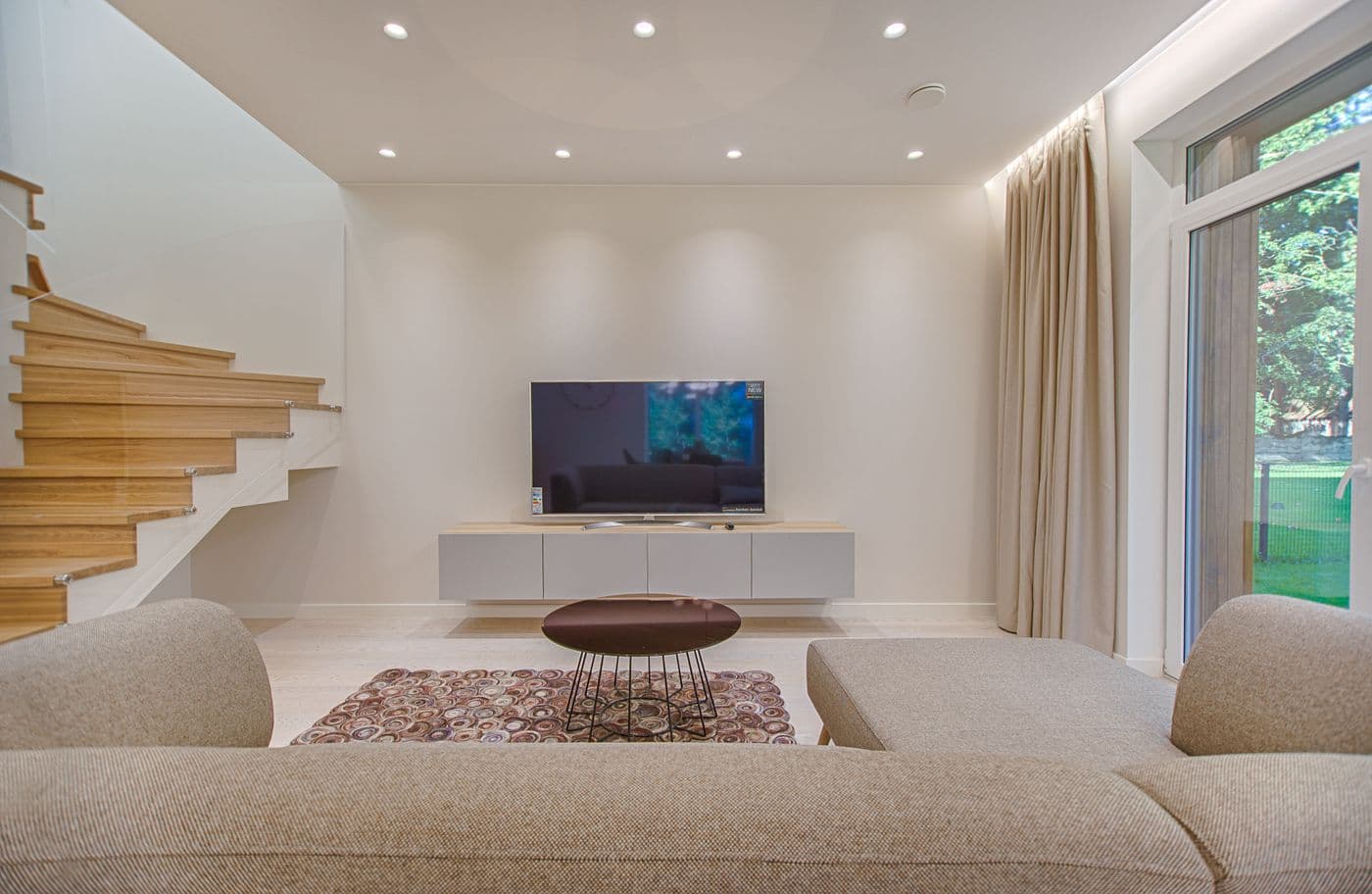
Many California cities restrict stays of 30 days or less. A long-term rental follows a different rule set: habitability, deposits, fair housing, and insurance that matches the use.
Short-term, in most city codes, means a stay of 30 days or less. Many California cities restrict that use, cap the number of permits, require a host on site, or ban it in some neighborhoods, and they often charge a transient occupancy tax. Los Angeles, Orange County cities, the Coachella Valley, and Inland Empire cities do not share one ordinance. The city code controls, plus county rules if the house is unincorporated, plus any homeowners association. The association can be stricter than the city.
Do not buy on last year's short-term rules. Cities rewrite these ordinances, and a registration program can close to new hosts. This article does not say any city's program is open. Read the code, then ask planning or the finance department what is allowed at that address. If the payment works only with nightly rates, and nightly rentals are not allowed, the purchase does not work.
Long-term is a different rule set
A rental longer than 30 days, especially a standard residential tenancy, is not a hotel with a new label. You owe a habitable home. Deposit limits apply, and those caps have changed, so check the current statute before you collect one. If AB 1482 covers the property, the state rent cap and just-cause rules can apply once the tenant has been there long enough. Fair housing applies when you advertise. You do not get to say no kids. A furnished house on a one-year lease is still a tenancy.
Some cities also license or inspect long-term rentals. That is separate from a short-term permit. If you wanted weekend income and the city says no, a one-year lease means a different rent, a different vacancy assumption, and the same repairs. Budget the water heater and a realistic empty month. Do not budget tourist rates.
Insurance, the loan, and tax
Insurance has to match the use. A homeowners policy for a house you live in often excludes short stays and other business use. A landlord policy is the usual fit for a long-term tenant. Where short-term rental is legal, it usually needs an endorsement or a specialty policy. Ask the carrier in writing before the first guest or the first lease. If you still have an owner-occupant mortgage, converting to a rental can conflict with that note. Read it before you list the house.
Transient occupancy tax on short stays is not the same filing as rent on a long-term lease. Income-tax treatment is a CPA question. If the lawful use is a long-term rental, run it that way: a written lease, a lawful deposit, repairs when habitability is at stake, and a policy that names the use you are actually making of the house.
Before you act
By Nick Valmores, NJV Realty. This is general education for California residents, with examples from the Inland Empire, the San Gabriel Valley, Los Angeles, and Orange County. It is not legal, tax, lending, or insurance advice. City rules, county custom, and program details change. Confirm your situation with a California-licensed real estate broker and, when money, title, tax, or insurance is involved, with your own attorney, CPA, lender, or insurance broker. Equal Housing Opportunity.
Investment and rental questions benefit from local comps and licensed guidance.