
Seller Education
Is 2026 a Good Year to Sell Your Home in California?
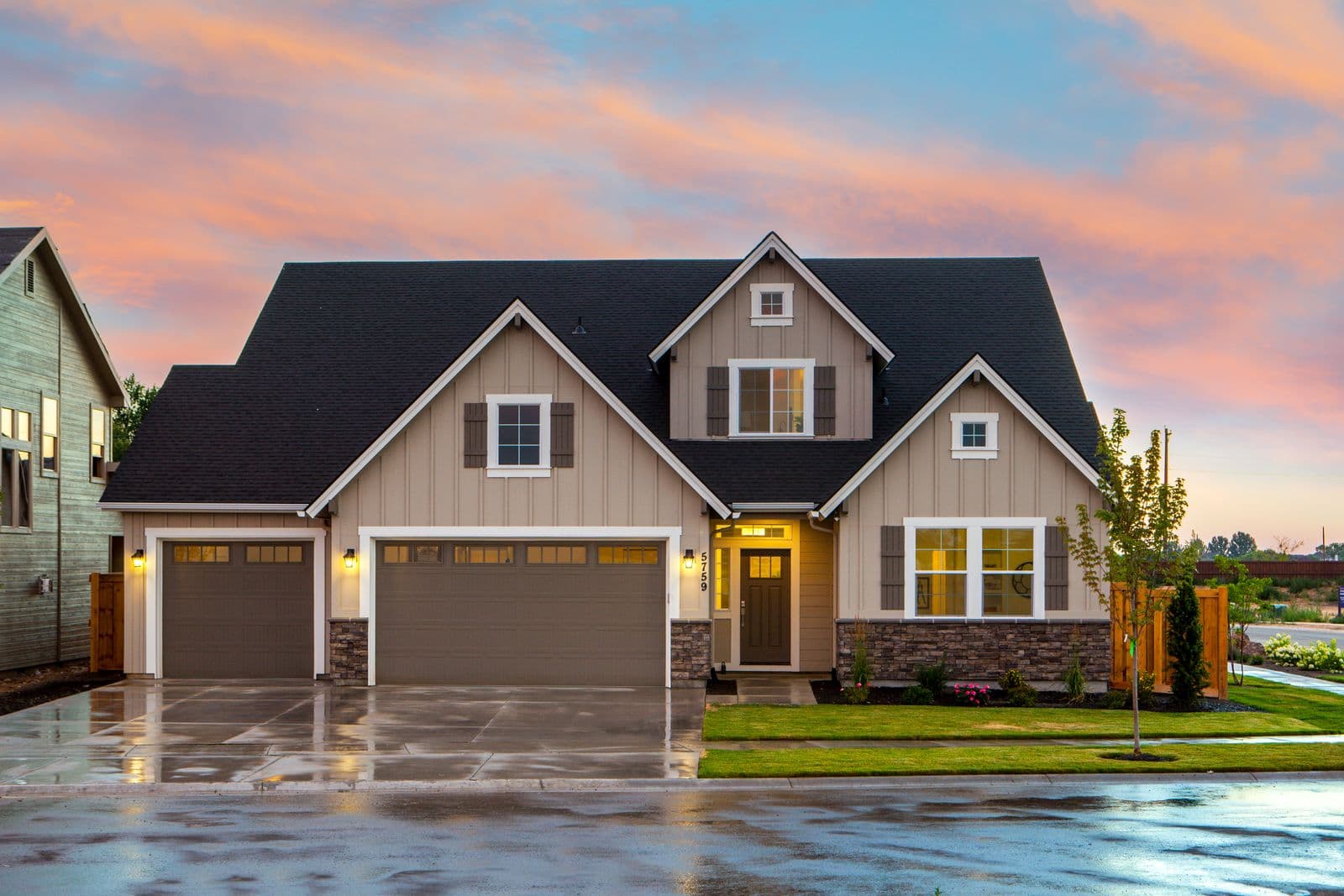
Inventory, days on market, and payment-sensitive buyers shape California seller outcomes in 2026. Here is an educational framework for pricing, presentation, and timing — without promising a sale price or timeline.
If you are a California homeowner asking whether 2026 is a “good year to sell,” you are really asking three different questions: Will a qualified buyer show up? At what price relative to your goals? And on what timeline? Those answers depend less on a national headline and more on your city, price band, condition, and how payment-sensitive today’s buyers are.
This article is educational. It is not a guarantee of sale price, days on market, or net proceeds. It is not an appraisal, CMA, tax advice, or legal advice. Markets shift by neighborhood and week. For decisions about your property, work with a California-licensed real estate professional and, when needed, a tax advisor or other specialists who know your facts.
What “a good year to sell” actually means
A good year for you is not the same as a peak year on a statewide chart. Some sellers need equity for a purchase, a job relocation, or a lifestyle change. Others can wait for a different rate environment or life chapter. “Good” is personal: net proceeds after commissions, repairs, concessions, and carrying costs — plus stress and timing.
In many California markets, 2026 still offers real demand for well-priced, well-presented homes. At the same time, buyers often face higher monthly payments than they did in the early-2020s boom. That combination rewards sellers who price to today’s comps and payment reality — not last spring’s list price memories.
Inventory: more choice for buyers changes negotiation
When inventory is thin, multiple offers and waived contingencies are more common. When inventory loosens, buyers compare more homes, take longer, and ask for credits, repairs, or rate-related help. Your street may still be competitive while a price band across town sits longer — local supply matters more than a single California average.
Ask your agent for active listings, pending sales, and recent solds in your micro-market (same city, similar beds/baths, similar condition). Count how many true substitutes a buyer would tour in two weekends. That “competitive set” is more useful than a state news clip.
Days on market: signal, not a scorecard
Days on market (DOM) rise when price, condition, photos, or access are out of line with demand. A longer DOM does not mean your home is “bad” — it often means the market is still educating you about price. Homes that start too high and cut later can look stale even after a reduction.
A practical approach: price to the buyer who can close with today’s rates and underwriting, then use strong marketing in the first two weeks when attention is highest. Track showing feedback weekly. If feedback clusters on price, condition, or layout, address the pattern rather than waiting for a miracle offer.
Payment-sensitive buyers: price is a monthly number
Many 2026 buyers reverse-engineer list price into principal and interest, taxes, insurance, HOA, and sometimes Mello-Roos. A slightly lower list price on a clean payment profile can outperform a higher price with heavy HOA dues, outdated systems, or uncertain insurance costs.
Sellers who invest in clear disclosures, professional photos, and honest marketing about fees and utilities help buyers say yes faster. Surprises after the first showing kill momentum. If your home competes with new construction or renovated resales, presentation and pricing strategy have to reflect that competition.
Pricing strategy that still works in 2026
Start with recent solds (not only active list prices). Actives show what sellers hope for; solds show what buyers paid. Adjust for condition, upgrades, lot, noise, and school or HOA differences — block by block.
Avoid “test the market high” unless you have time and a plan for mid-course corrections. Overpricing in a payment-sensitive environment often means fewer showings, weaker leverage, and larger cuts later.
Consider net proceeds scenarios: list price, likely credits, repairs, and holding costs if the home sits. Sometimes a slightly lower list price with stronger activity improves total outcome versus a long, quiet listing.
Preparation that buyers notice
Declutter, deep clean, and fix obvious deferred maintenance. Small repairs (leaks, broken hardware, peeling paint) prevent inspection drama. Staging — even light staging — helps online photos convert to showings.
Gather HOA documents, permits, utility averages if available, and appliance ages. Buyers and agents move faster when the package is complete. In wildfire- or insurance-sensitive areas, be ready for questions about coverage and disclosures.
Access matters: lockbox strategy, tidy curb appeal, and flexible showing windows reduce friction for dual-income buyers touring after work.
When waiting might be wiser
If you do not need to sell, and your next home purchase depends on rates or inventory you dislike, staying put can be rational. If major renovations are unfinished and you cannot complete them competitively, selling “as-is” only works with honest pricing.
If two similar homes near you just sold quickly at strong numbers, that is local information worth more than a national forecast. If similar homes are lingering, treat that as a pricing and presentation problem first — not proof that “nobody is buying.”
A simple seller checklist for 2026
Define your goal: net proceeds, timeline, and whether you must buy again.
Review local solds, actives, and expireds with a licensed agent — not only Zillow-style estimates.
Price for payment-sensitive buyers; model full monthly cost, not sticker price alone.
Invest in photos, cleanliness, and clear disclosures before day one on market.
Plan for feedback in week one and two; adjust early if the market is silent.
Coordinate sell/buy logistics early if you need a contingent or bridge path.
Key takeaways
2026 can be a workable year to sell in many California markets when price, condition, and marketing match local demand — especially for payment-aware buyers.
Inventory and days on market are local. Your competitive set is neighborhood- and price-band-specific.
Overpricing and weak presentation are still the most common reasons listings underperform.
This article does not guarantee a sale price, timeline, or buyer demand. It is general education only, not legal, tax, or appraisal advice. Equal Housing Opportunity.
If you want a property-specific read on timing and pricing for the Inland Empire, San Gabriel Valley, or surrounding California markets, NJV Realty can review recent comps and a realistic go-to-market plan with you — without promising outcomes no one can guarantee.
Thinking of selling? Get a professional CMA and a clear listing plan — not just an automated estimate.