
Buyer Education
How to Compete (or Walk Away) on a Multiple-Offer Home in California
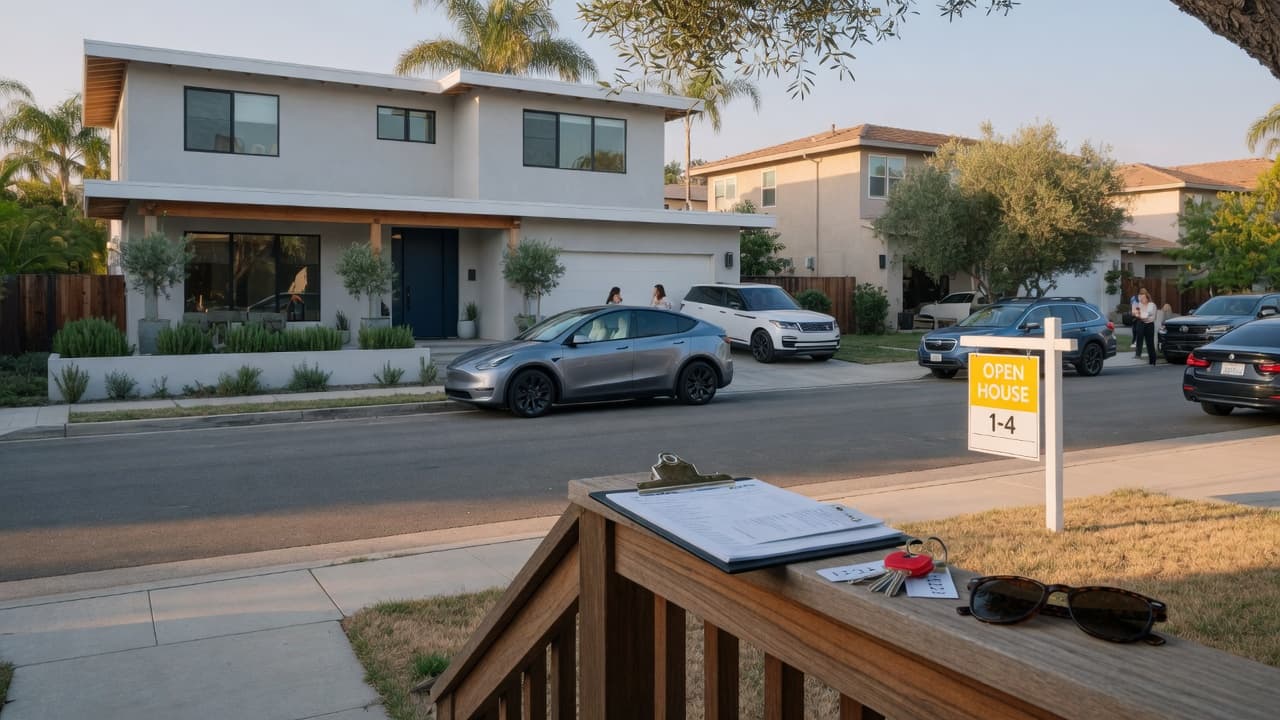
An educational overview of multiple-offer situations in California — escalation ideas, appraisal gaps, contingencies, financing readiness, and when walking away is smarter than overreaching. Not legal advice; not a prompt to waive rights carelessly.
In some California neighborhoods — and in some price bands even when the broader market is calmer — a well-priced home still draws several offers in a short window. Buyers feel pressure to “win at all costs.” That pressure is real. It is also a common way people overpay, accept risk they do not understand, or skip protections they later wish they had kept.
This article is general education for buyers (and family members helping them) in markets such as the Inland Empire, San Gabriel Valley, and surrounding Southern California areas. It is not legal advice, not a promise of any outcome, and not coaching to waive inspection, appraisal, or loan rights carelessly. Offer strategy belongs with a California-licensed real estate professional and, when needed, your own attorney and lender. Equal Housing Opportunity — NJV Realty complies with federal and California fair housing laws.
What “multiple offer” usually means
A multiple-offer situation simply means the seller has received more than one written offer (or expects to) before choosing how to respond. Sellers may accept one offer, counter one or more, reject all, or ask for “highest and best” by a deadline. Practices vary; there is no single statewide script every listing follows.
Winning is not only the highest price. Terms that affect certainty and speed — financing strength, contingency timelines, rent-back, personal property, and how clean the contract package looks — often matter as much as a small price difference.
Your goal is not to “beat everyone.” Your goal is to make a strong, informed offer that still fits your budget, risk tolerance, and timeline — or to walk away when it does not.
Financing readiness comes before strategy gimmicks
In competition, an offer with shaky financing is easy for a seller’s side to discount. Before you stretch on price:
Get a current pre-approval (or stronger documentation your lender recommends for that price range) from a licensed mortgage professional. Know your maximum payment including taxes, insurance, HOA, and possible assessment — not just principal and interest.
Clarify down payment source, gift letters, and how long underwriting will take. If you must sell another home first, that contingency (or bridge plan) is part of the competitive story — not an afterthought.
Cash is not required to compete, but clarity is. Ambiguous financing language is a silent way to lose without the highest price.
Escalation ideas — concept only, not a form you should invent alone
Some buyers discuss an “escalation” approach: a base price plus a willingness to increase by set increments up to a cap if competing offers exist, often with verification language. Whether a particular listing will consider that structure, and how it should be drafted, depends on the contract forms, local custom, and the listing agent’s process.
Educational points only: an escalation concept is not magic. Caps still need to fit your real budget. Proof requirements and how “competing offer” is defined matter. Poorly written language can create disputes or accidental overbids.
Do not copy an internet template into a California purchase agreement. Work with your agent (and counsel if appropriate) on any non-standard term. This is not legal advice on drafting escalation language.
Appraisal gaps — what buyers are really deciding
If the home does not appraise at the contract price, lenders typically limit the loan to a percentage of the appraised value (or refuse to fund as written). A buyer may then need more cash, renegotiate, or cancel if the contract still allows that path.
In competition, some buyers offer to cover an “appraisal gap” — additional cash if the appraisal comes in low, up to a stated amount. That can strengthen an offer. It also means you may pay more than the lender’s valuation supports, with cash at risk and less equity on day one.
Educational frame: decide a hard cash ceiling before emotion hits. Never promise gap coverage you cannot fund. Never treat “we’ll figure it out later” as a plan. Your lender and agent should pressure-test numbers; NJV Realty cannot guarantee appraisal results or loan approval.
Contingencies: speed vs protection (do not waive lightly)
Common California residential offer packages include investigation (inspection), appraisal, and loan contingencies, with timelines that can be negotiated. Shortening timelines can look more competitive. Removing or severely weakening protections can look more competitive too — and can transfer large risk to you.
Inspection-related rights help you learn about condition and negotiate or cancel within the contract framework. Loan and appraisal-related rights interact with financing reality. Waiving or truncating them is a serious risk decision, not a default “winning tip.”
This post does not recommend waiving contingencies. If you ever consider shortened timelines or limited protections, do so only after clear counseling from your licensed agent and, when appropriate, your attorney and inspector — with full understanding of what you give up. Careless waiver is not a strategy; it is a gamble.
Other terms sellers often weigh
Close of escrow date and flexibility for the seller’s move.
Rent-back or occupancy after closing, if the seller needs time.
Earnest money size and where it is held (within legal and practical norms — not as a reckless “prove you care” contest).
As-is language, repair requests, and how cleanly the offer is written.
Personal property, HOA document review time, and special addenda the listing requires.
None of these replace fair housing compliance. Sellers and agents must not treat protected characteristics as part of “who wins.” Competition is about the offer package and legitimate transaction terms.
When walking away is the smarter move
The payment only works if everything goes perfectly (no insurance shock, no HOA surprise, no repair buffer).
You are increasing price mainly to “not lose,” not because comps and condition support it.
You would need to waive or gut protections you do not understand just to stay in the running.
The seller’s process feels chaotic, non-transparent, or pressured in ways that prevent informed consent.
Another home in your criteria will come — markets that feel scarce often still have substitutes two weeks later.
Walking away is not failure. It is capital preservation and stress management. Many strong buyers miss a house and buy a better-fit home soon after, with fewer regrets.
A calm process buyers can reuse
Define max purchase price and max total cash (down payment, closing costs, gap budget, immediate repairs) before touring “must-have” homes.
Tour with a written priority list: commute, schools (as you research them), layout, condition, HOA, insurance feasibility.
On a competitive listing, ask your agent what the listing side has said about timing, number of offers, and preferred terms — without assuming every rumor is true.
Write the strongest offer you can still sleep with. If that is not enough, release the house.
After any loss, debrief once: price, terms, process — then reset. Do not revenge-bid the next property.
How NJV Realty helps (and what we will not do)
A licensed agent can help you read local competition, structure a clear offer package, coordinate with your lender, and keep timelines organized. We will not promise you will win, guarantee an appraisal, or pressure you to waive rights you are not comfortable waiving.
If you are shopping in Corona, Eastvale, Temescal Valley, Diamond Bar, or nearby California markets, we can map realistic inventory and payment scenarios alongside your financing professional — with Equal Housing Opportunity practices throughout.
Key takeaways
Multiple-offer homes reward preparation: financing clarity, a real budget ceiling, and terms that improve certainty without reckless risk.
Escalation concepts and appraisal-gap ideas are tools some buyers discuss — not DIY legal forms and not mandatory.
Contingencies exist for a reason. Shortening them is a tradeoff; waiving them carelessly is not “smart competition.”
Walking away can be the best financial and personal decision.
This article is educational only — not legal, tax, lending, or inspection advice, and not a guarantee of any purchase outcome. Consult licensed professionals for your situation. Equal Housing Opportunity.
Questions about buying or selling? NJV Realty is headquartered in Diamond Bar and serves Los Angeles, the Inland Empire, Corona, Eastvale, Norco, Riverside, Temecula, Murrieta, and surrounding cities.