
Buyer Guides
What a Home Inspection Often Looks For in Inland Empire Houses From the 1970s to the 1990s
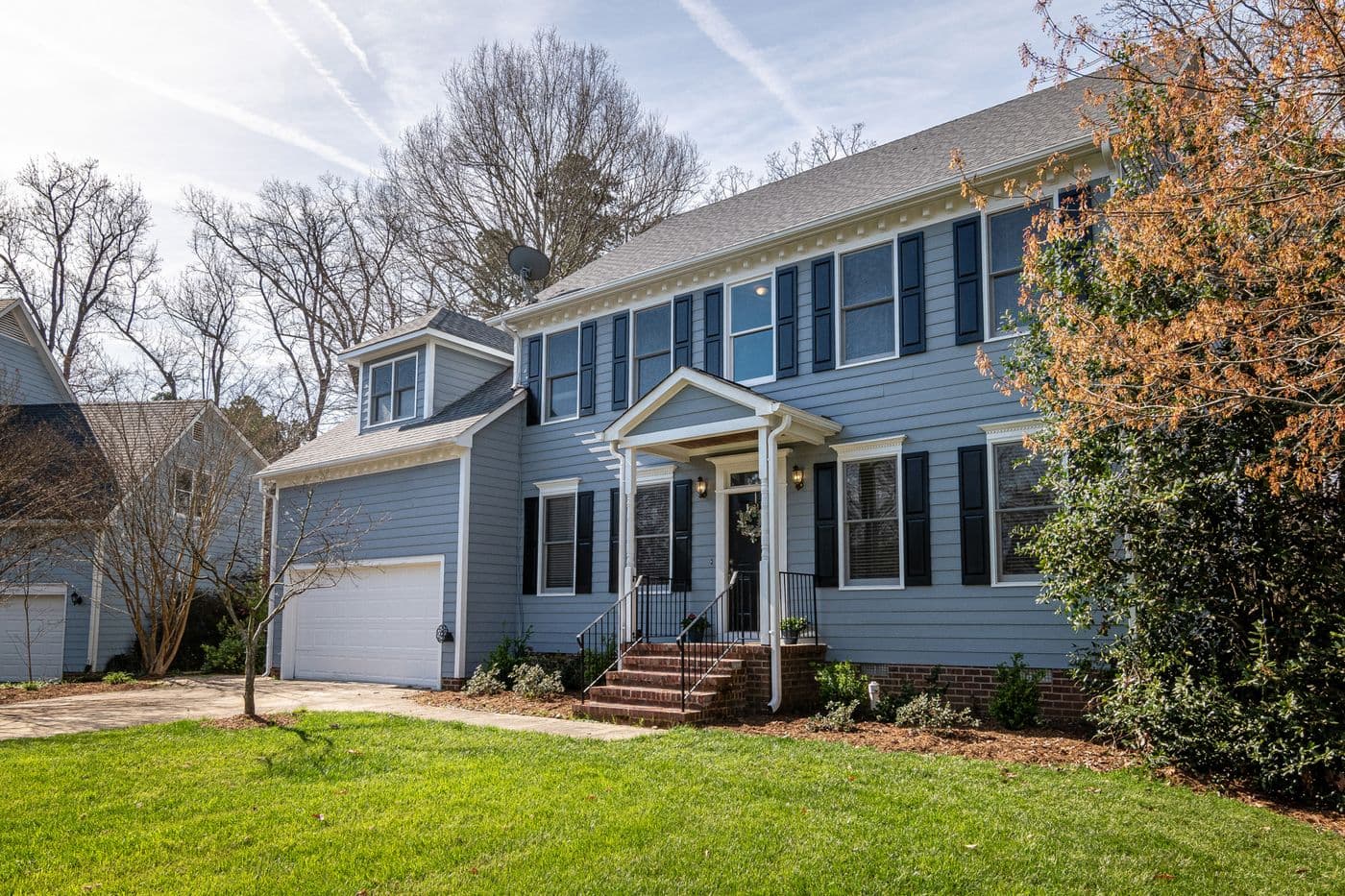
Roof, HVAC, plumbing supply lines, and electrical panels are the usual focus on houses of this age. The inspection is a survey of condition, not a claim that every home has a defect.
A lot of Inland Empire housing, in Corona, Riverside, Ontario, Chino, Fontana, and nearby valleys, was built from the 1970s through the 1990s. A general inspection on a house from those decades usually spends extra time on the roof, the heating and cooling, the supply lines, and the electrical panel. That is where age often shows. It is not a statement that your house is defective.
The inspection is a visual survey. The inspector is not opening every wall. Some houses from these years are fully updated, and some still have original pieces that work. Read the report as information about what was seen and what could not be seen, then decide whether a specialist is worth it.
Roof and HVAC
Inspectors look at the covering, flashing, valleys, and signs of past leaks in the attic if they can enter it. A composition roof on a house of this age may already have been replaced, or it may be tired. The decade the house was built does not tell you which. Ask for invoices, and do not treat a dry attic as a warranty.
Heating and cooling get the same look: type and apparent age of the furnace and condenser, whether they answer the thermostat, and obvious venting or condensate problems. Many houses have had one or both units replaced. Many have not. If the system is older, talk to an HVAC contractor. The inspection does not promise another season.
Plumbing supply lines
Inspectors try to see what the visible supply lines are: copper, galvanized steel, plastic, or a mix where someone already repaired a section. Galvanized pipe can corrode from the inside. Some later homes in this period used polybutylene, a gray plastic pipe with a reputation for fitting failures. Many do not.
Lines inside slabs and walls are often hidden. A note that visible piping looks serviceable is not a clean bill for the whole system. Patches, low pressure, or staining are reasons to call a plumber. Sewer lines are usually outside a standard inspection. If trees are large or the house has backed up before, ask about a separate sewer scope.
Electrical panels
Panels are opened when it is safe. Inspectors note the brand, the labeling, double-tapped breakers, signs of heat, and whether the panel fits how the house is used now. Some older brands, including certain Federal Pacific and Zinsco equipment, draw comments when they are present. Many houses nearby have ordinary panels.
Aluminum branch wiring sometimes appears in early-1970s construction and often does not. If the report names it, have an electrician explain this house, not a story from the internet. Use it to choose any specialist you still want before the investigation contingency ends.
Before you act
By Nick Valmores, NJV Realty. This is general education for California residents, with examples from the Inland Empire, the San Gabriel Valley, Los Angeles, and Orange County. It is not legal, tax, lending, or insurance advice. City rules, county custom, and program details change. Confirm your situation with a California-licensed real estate broker and, when money, title, tax, or insurance is involved, with your own attorney, CPA, lender, or insurance broker. Equal Housing Opportunity.
Questions about buying or selling? NJV Realty is headquartered in Diamond Bar and serves Los Angeles, the Inland Empire, Corona, Eastvale, Norco, Riverside, Temecula, Murrieta, and surrounding cities.