
Buyer Guides
Buying From a Builder in Southern California
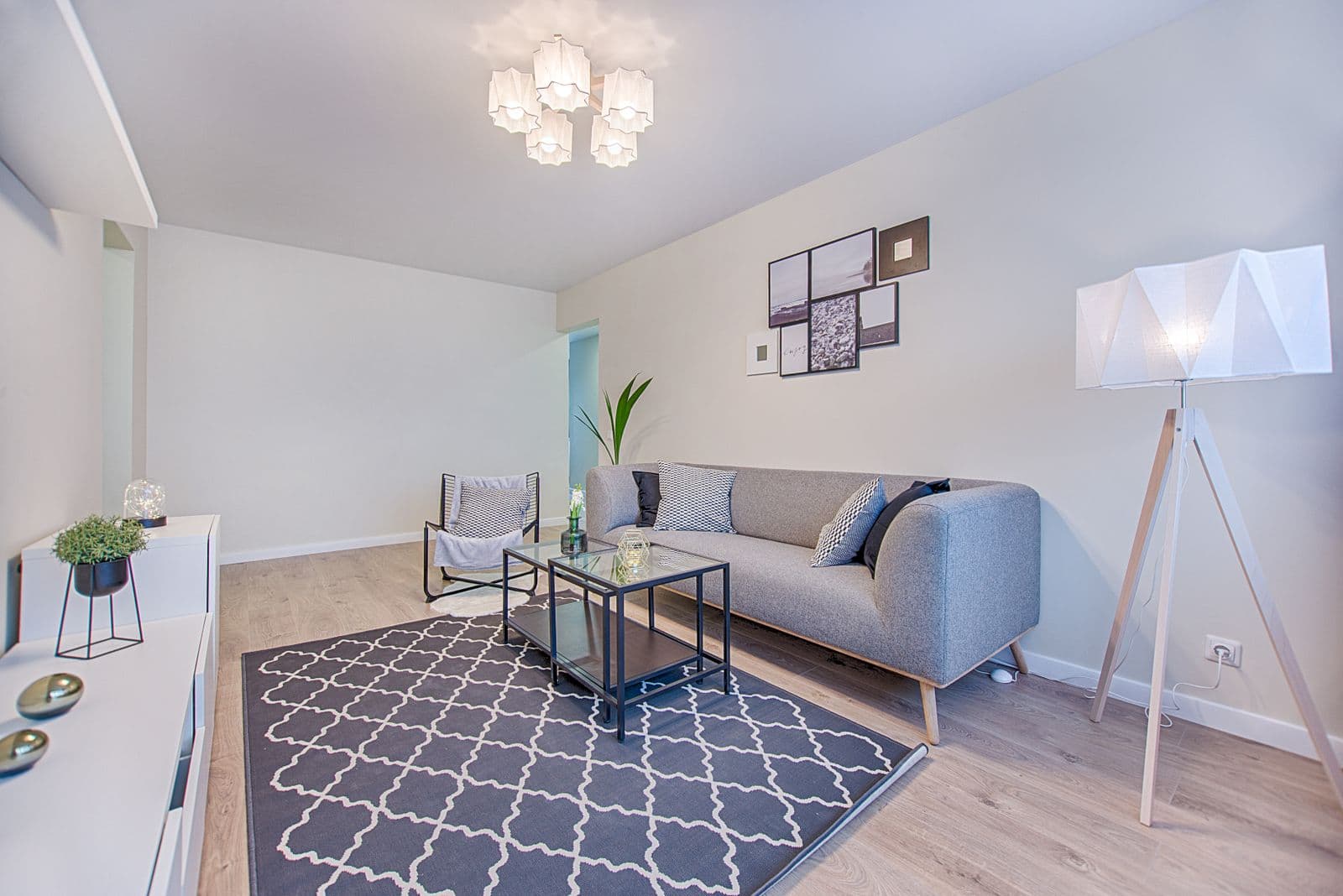
Incentives, rate locks, lot premiums, and completion dates are the terms that decide whether a new-home deal is better than it looks in the model.
Buying from a builder in Southern California is not the resale contract used on an existing house in Diamond Bar or Corona. The builder wrote the forms. Incentives, a preferred-lender lock, a lot premium, and a completion date can all be real, and they can all be softer than the model suggests. The sales office is a counter. The purchase agreement is the deal.
Newer tracts across the Inland Empire and nearby valleys often add an association and sometimes a Mello-Roos or other special tax. Those costs sit on top of the payment the design center was not discussing. Put them on the same page as the price before you reserve a lot.
Incentives and the preferred lender
A closing-cost credit, design-center money, or a rate buydown through the builder's lender is worth only what the contract says. Ask whether using your own lender reduces or cancels it. Sometimes the independent loan is still better. You cannot know until both quotes are written down.
Ask what happens to the incentive if the close is delayed or you switch programs. A credit the lender cannot accept, because it exceeds that program's cap, is not cash you can spend. Have your loan officer confirm the credit fits before you count on it.
Rate locks and lot premiums
A builder's rate lock has a clock. Ask what rate is locked, for how long, who pays for an extension, and what happens if the house is not ready when the lock dies. Ask whether the lock is still yours if you later choose another lender. A promise to 'work it out if the house runs late' is not an extension policy.
A lot premium for a view, a cul-de-sac, or a larger pad is part of the price. It raises what you finance and what the assessor will look at, and it still has to make sense on the appraisal. Compare the finished price, premium included, with similar resales. Do not compare it with the base price in the brochure.
Completion, and the house you actually bought
An estimated completion date is a target. Weather, inspections, and trade schedules move it. Read the delay clause, what happens to your deposit, and whether you can cancel if the house is late. Do not give notice on a rental based only on the first date you were handed.
The model is usually upgraded past the base house. Your file should list the options you bought. Walk the house with your own inspector before you release the builder. California has a statutory process, with different time windows, for different kinds of new-home defects. A brochure is not that law.
Before you act
By Nick Valmores, NJV Realty. This is general education for California residents, with examples from the Inland Empire, the San Gabriel Valley, Los Angeles, and Orange County. It is not legal, tax, lending, or insurance advice. City rules, county custom, and program details change. Confirm your situation with a California-licensed real estate broker and, when money, title, tax, or insurance is involved, with your own attorney, CPA, lender, or insurance broker. Equal Housing Opportunity.
Questions about buying or selling? NJV Realty is headquartered in Diamond Bar and serves Los Angeles, the Inland Empire, Corona, Eastvale, Norco, Riverside, Temecula, Murrieta, and surrounding cities.